
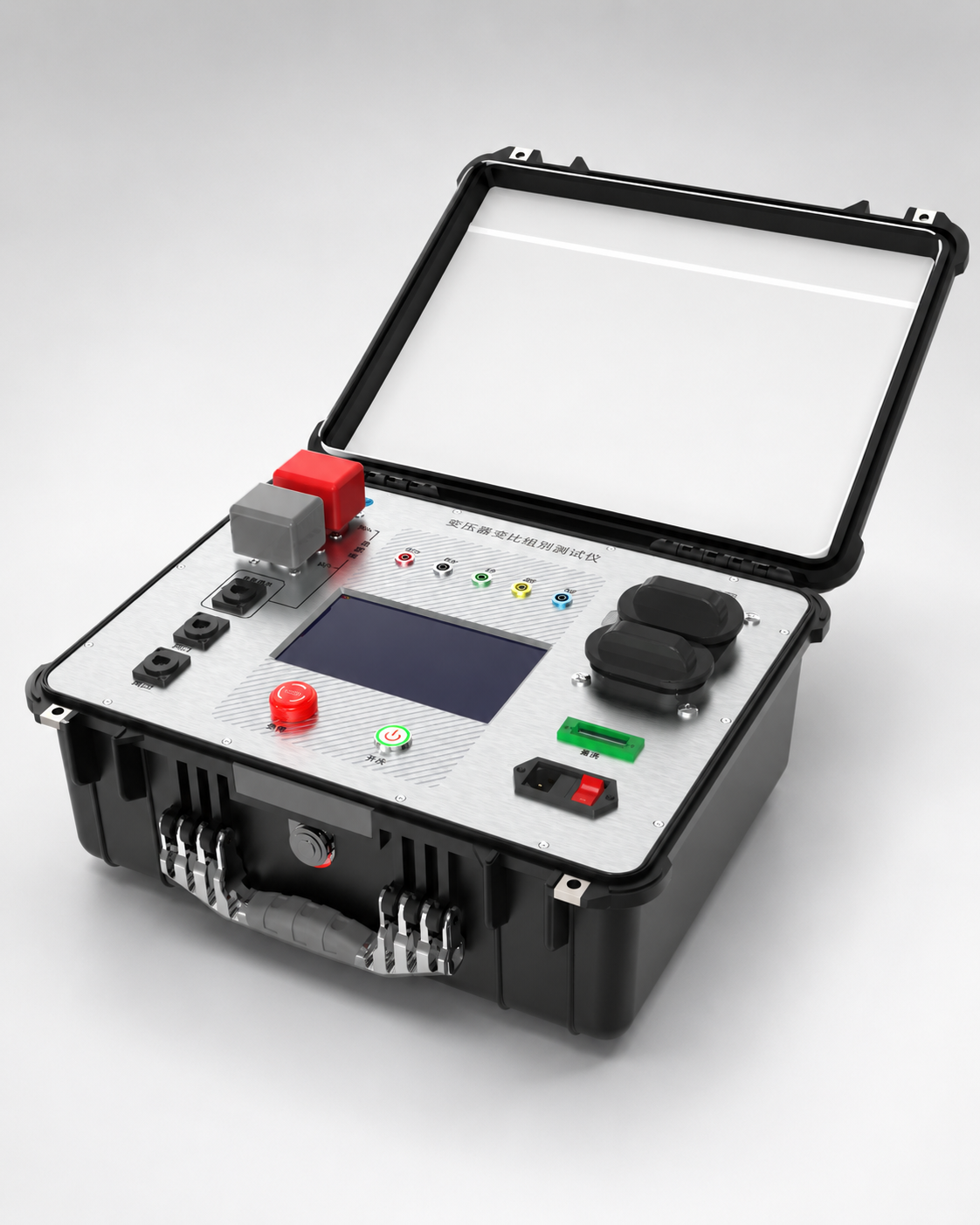
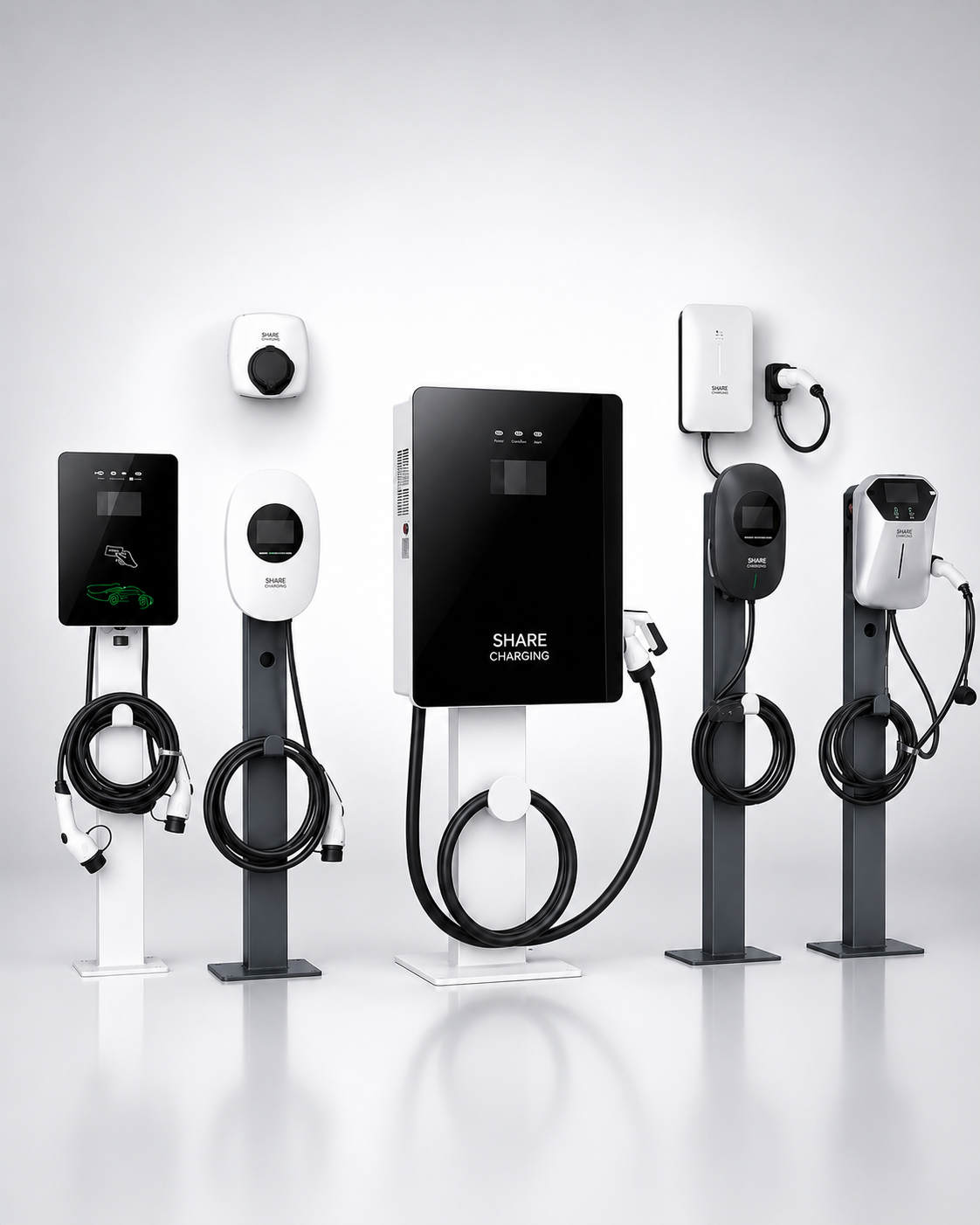
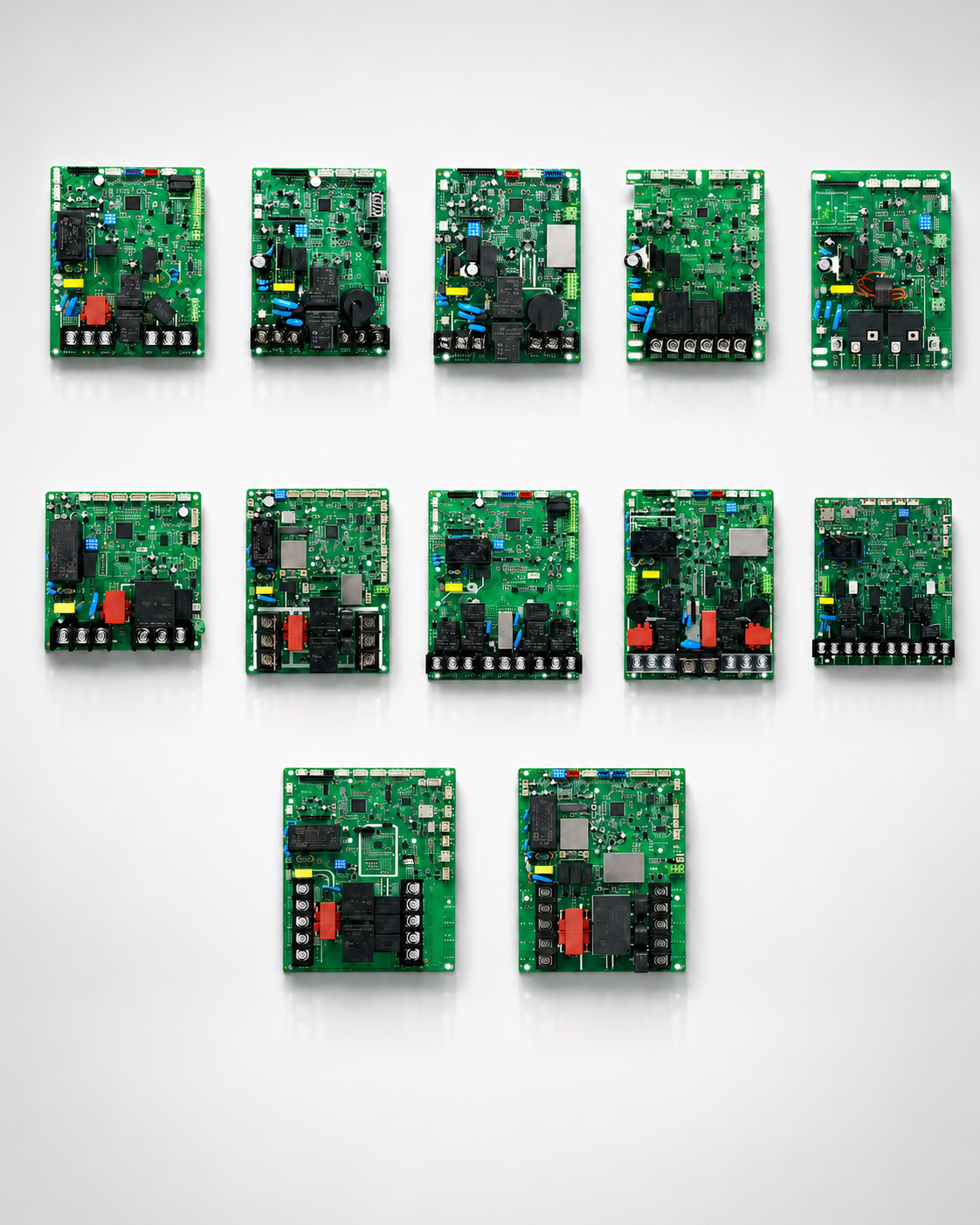
Portable CCS2 EV Simulator for DC Charger Testing

Portable CCS2/CCS1 EV Simulator for DC Charger Testing

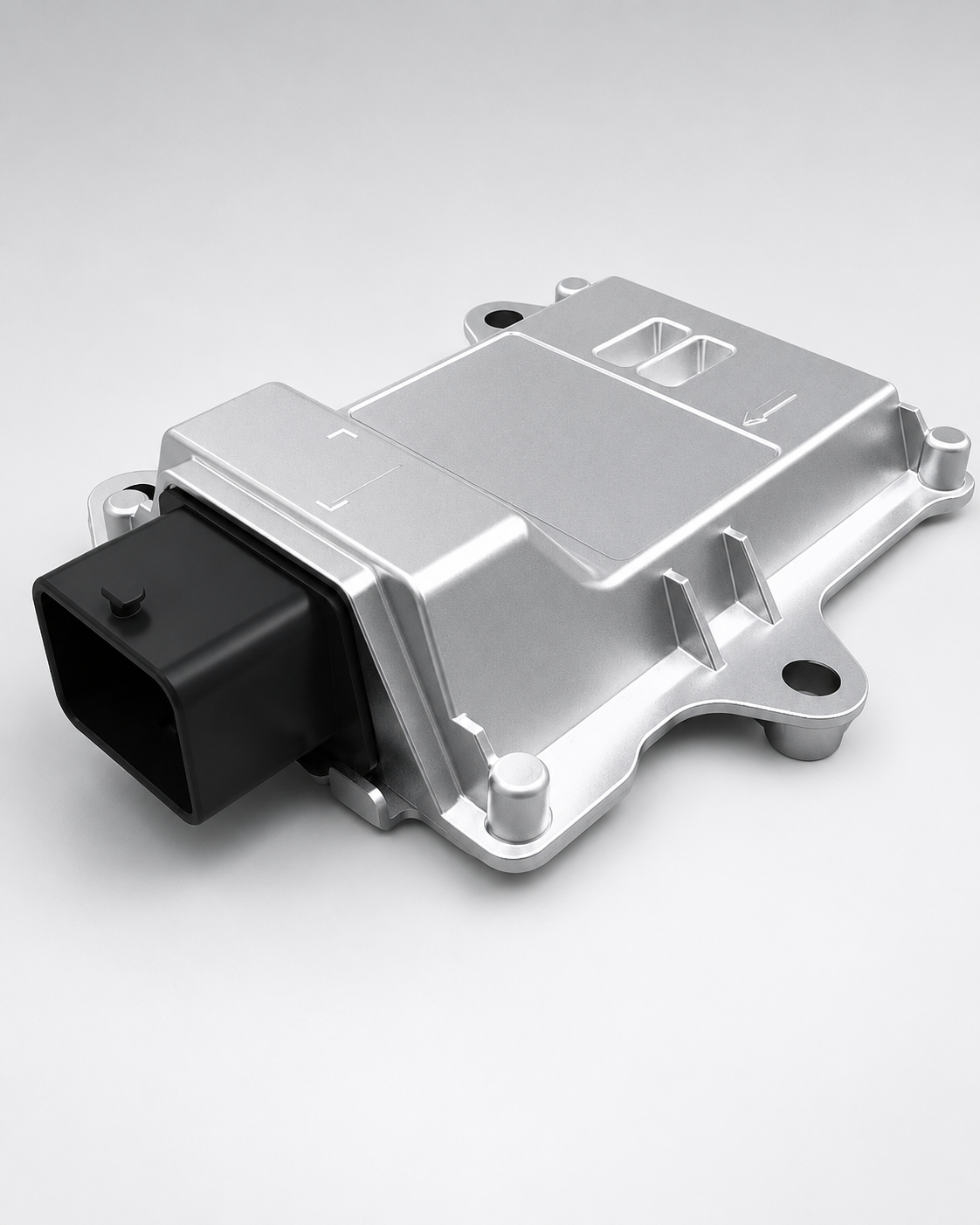
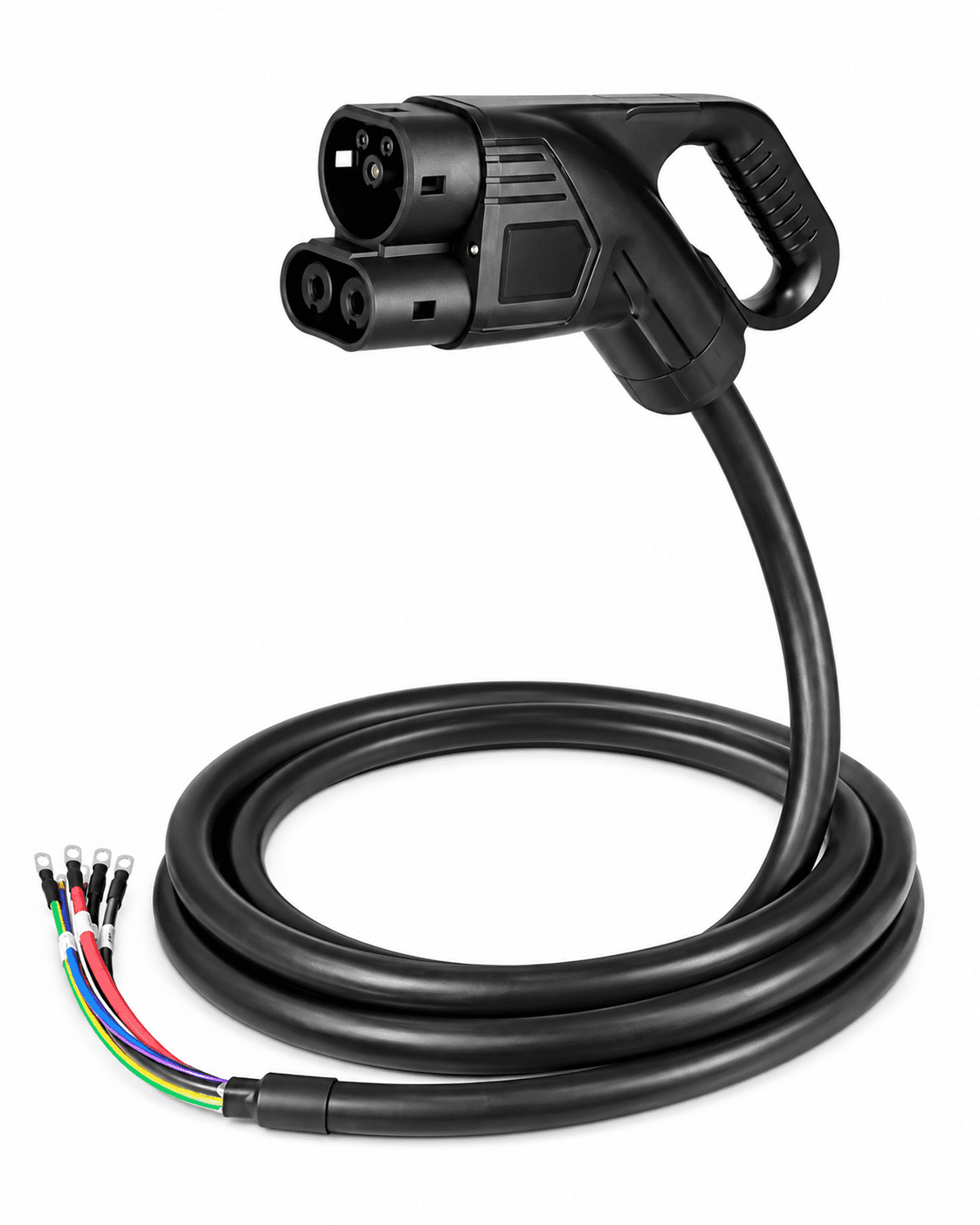
Share Charging’s Portable CCS2 EV Simulator is designed for DC EV charger production testing, factory inspection, and on-site commissioning. It simulates vehicle-side charging communication and operating conditions, helping engineers verify charger output, protocol communication, plug-in status, voltage and current demand, SOC simulation, and fault response. With a rugged portable case design, it provides an efficient and reliable testing solution for European-standard DC charging stations.

Item Specification / Description
Operating VoltageAC 220V ±15%
Display10-inch touch screen
Operating Temperature-30°C to 70°C
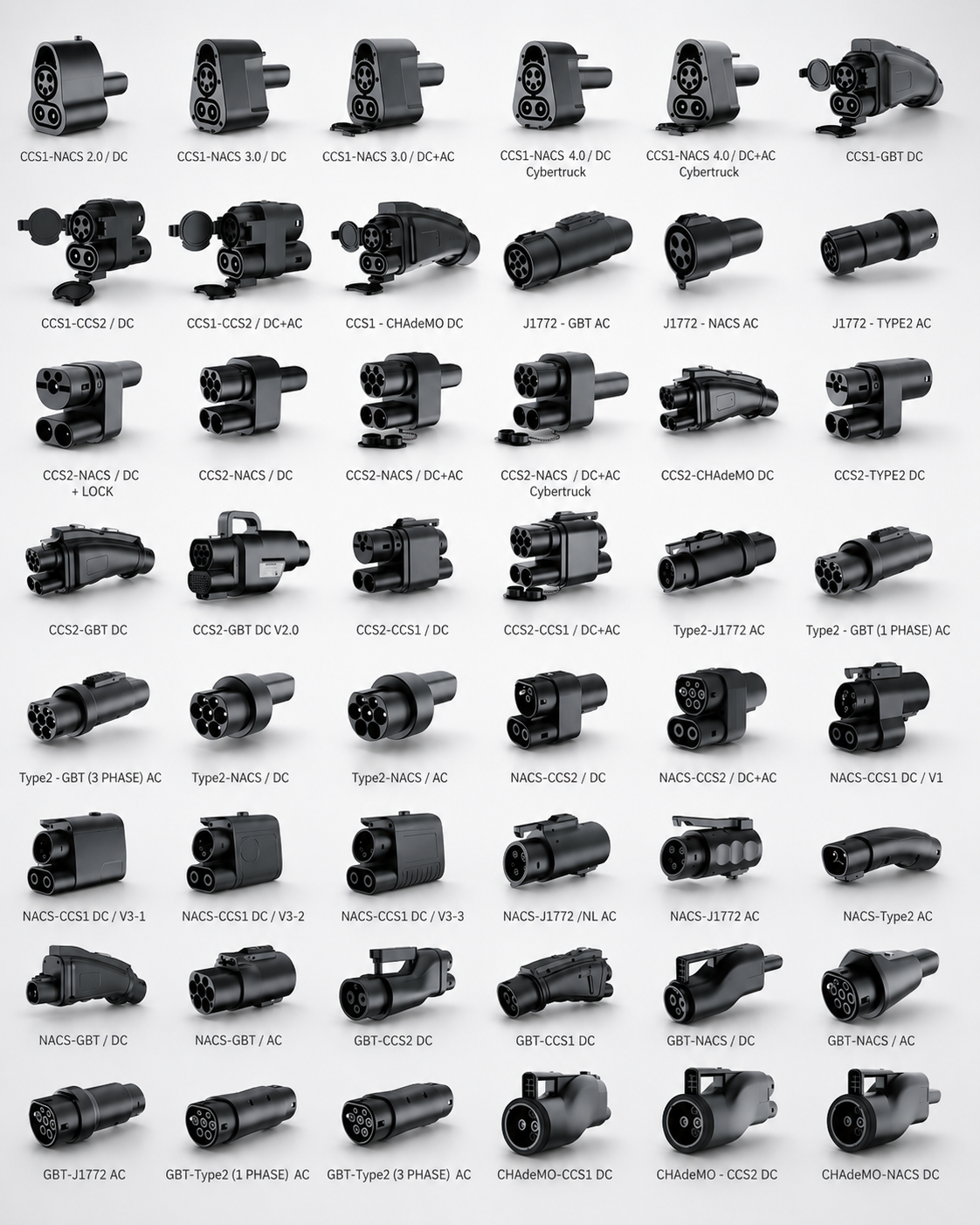
Test ObjectEuropean standard, American standard, and NACS DC charging stations
Maximum Test VoltageDC 1000V
European / American Communication ProtocolsCharging communication complies with ISO 15118 and DIN 70121. Power transmission complies with IEC 61851. Vehicle inlet complies with IEC 62196.
Interface DesignTouch screen design with freely configurable charging standard interfaces. European and American interfaces support both AC and DC applications.
User InterfaceSimple and intuitive interface with bilingual Chinese and English support for easy operation.
Message StorageReal-time USB storage of charger message states, including CHM, CRM, CTS, CML, CRO, CCS, CST, CSD, CEM, and other messages.
Vehicle Message SimulationVehicle-side message content and message cycles can be fully configured to simulate various vehicle communication scenarios.
Communication Data AcquisitionEuropean and American standards can obtain communication data directly through the EVCC host computer using a CAN box.
Automatic Aging TestSOC can automatically increase, and charging duration can be set to enable automatic aging test functions.

Contact Share Charging

Reach out to us for innovative EV charging solutions and global support.

Email Us

zhaishuoyun@share-charging.com

Whats APP

+8615253120062

Visit Us

+8615253120062

Welcome to our social media pages.

Stay updated and join our community. Follow us on social media for the latest news, innovations, and global EV charging solutions.

Share Charging engineering solutions

Portable CCS2 and CCS1 EV Simulator for DC Charger Testing

Share Charging provides portable EV simulator and DC charger testing equipment for manufacturers, laboratories, installers, and operators that need reliable CCS2, CCS1, ISO 15118, DIN 70121, and EVCC validation before deployment.

DC charger testing equipment for production and commissioning

A portable EV simulator helps engineering teams reproduce vehicle-side behavior during charger development, factory inspection, site commissioning, and troubleshooting. It supports more predictable testing of charging startup, communication negotiation, fault cases, plug status, session logs, and interoperability before a charger is delivered to the customer.

Validation for CCS, ISO 15118, DIN 70121 and EVCC behavior

The testing workflow can support teams working on CCS2 charging solutions, CCS2 charger controllers, DIN70121 communication modules, ISO15118 communication stacks, EVCC SECC communication solutions, and OCPP plus ISO15118 integration. For international projects, this validation step can reduce charger compatibility problems and shorten debugging cycles.

Useful for charger manufacturers, operators and field engineers

The simulator is designed for practical use by EV charging system manufacturers, charger OEM and ODM teams, field engineers, charging infrastructure operators, and technical service partners. It helps teams identify whether a problem comes from the charger controller, communication module, vehicle-side behavior, cable connection, backend process, or installation environment.

FAQ

Common questions from EV charger project teams

What is a portable EV simulator used for?

A portable EV simulator is used to simulate vehicle-side charging behavior so engineers can test DC chargers, communication negotiation, fault scenarios, and interoperability before connecting to real vehicles or deploying chargers on site.

Can this equipment help with CCS2 and CCS1 charger testing?

Yes. The testing workflow is designed for CCS-related DC charger validation, including CCS2 and CCS1 charging scenarios, communication checks, session behavior, and production or commissioning tests.

Does charger testing help reduce certification and deployment risk?

Yes. Testing before formal certification or site deployment helps identify communication failures, compatibility issues, fault logic problems, and wiring or integration mistakes earlier in the development process.

Who should use DC charger testing equipment?

It is useful for charger manufacturers, EV charger OEM and ODM teams, system integrators, laboratories, charging station operators, installation teams, and after-sales engineers working on DC fast charging projects.